In a move that could transform road construction, a Scottish startup has developed a method to incorporate recycled plastic into asphalt, offering a potential solution to both the global waste crisis and the persistent problem of potholes. The company, MacRebur, founded by engineer Toby McCartney, is trialing its innovative material on public roads in England, with two councils already using the technique.
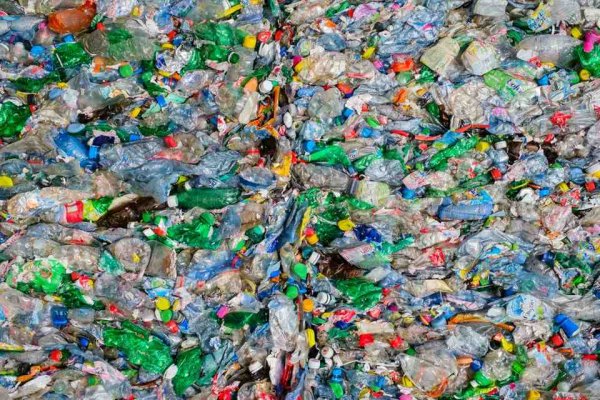
The core of the innovation lies in replacing a significant portion of bitumen—a petroleum-derived binding agent traditionally used in asphalt—with plastic pellets made from waste that would otherwise end up in landfills. The pellets are derived from materials like polyethylene, commonly found in packaging. At the asphalt plant, these pellets are mixed with the usual aggregate rocks and a small amount of bitumen, a process that requires no new equipment or significant changes to existing infrastructure.
McCartney's motivation stems from a desire to address multiple issues simultaneously: the deterioration of road quality, the continued reliance on fossil fuels, and the mounting problem of plastic waste. By diverting plastic from landfills and reducing the demand for bitumen, the approach aims to create a more sustainable road-building process.
Early Adoption and Reported Benefits
MacRebur has already persuaded two English councils to use their local waste plastics in road construction. According to McCartney, the resulting roads are not only cheaper to produce but also more durable than conventional surfaces, with a reduced susceptibility to potholes. If these claims hold up under broader use, the technology could represent a significant step toward a cleaner planet.
The global road network spans approximately 40 million kilometers (24.8 million miles), and the potential to apply this method on such a scale could have substantial environmental and economic implications. However, the long-term performance of plastic-modified asphalt is still under evaluation, and wider adoption will depend on further testing and validation by transportation authorities.
For now, the initiative highlights a practical example of circular economy principles applied to public infrastructure, turning a ubiquitous waste product into a valuable resource.