COLOMBO, Sri Lanka — The western coastline of Sri Lanka is facing an unprecedented environmental crisis after a container ship fire released billions of plastic pellets onto its beaches, raising alarms among scientists and activists about long-term ecological damage.
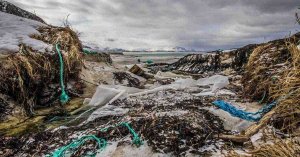
The MV X-Press Pearl, a Singapore-flagged container vessel, caught fire and burned for over a week before an explosion rocked the ship, causing debris and toxic cargo to wash ashore. The incident has left dozens of miles of coastline covered in what witnesses describe as a "snow-like" layer of tiny white plastic pellets, according to The Washington Post.
Marine biologist and environmental activist Asha de Vos, who surveyed the affected areas, called it "an environmental disaster." She described the scene as "basically [plastic] snow on our beaches, these tiny white pellets, and piles of them."
The pellets, totaling 78 metric tons, are suspected to be coated with toxic chemicals from the ship's cargo, which included hazardous materials. The spill has already begun to impact sensitive ecosystems, and experts fear the full consequences may not be evident for years.
[IMG_1]
Cleanup Challenges and Ongoing Threats
Cleanup efforts are underway, with the Sri Lankan military mobilizing to remove the pellets from the sandy shores. However, the task is daunting. The pellets are small, numerous, and easily buried in the sand, making manual collection slow and labor-intensive. The situation is further complicated by COVID-19 travel restrictions, which have limited the deployment of additional personnel and resources.
Local authorities are also investigating the cause of the fire and the ship's operator, X-Press Feeders, has faced questions about the vessel's safety record. The ship was carrying a variety of chemicals, including nitric acid, which is believed to have contributed to the fire's intensity.
Environmental groups warn that the pellets could travel along the coast, potentially affecting a wider area than initially thought. They pose a significant threat to marine life, as animals may ingest them, leading to poisoning or starvation. The pellets can also absorb and transport other pollutants, exacerbating the contamination.
[IMG_2]
Long-Term Ecological Impact
Scientists are particularly concerned about the slow-release nature of the toxic chemicals. As the pellets break down, they could release harmful substances into the water, affecting fish populations and the livelihoods of local fishing communities. The full impact on the food chain and the region's biodiversity is still unknown.
The disaster has also drawn attention to the broader issue of plastic pollution in the world's oceans. Sri Lanka, like many island nations, is vulnerable to such incidents, and the spill is a stark reminder of the risks associated with maritime transport of hazardous materials.
While the immediate focus is on cleanup and containment, the long-term recovery of the affected ecosystems will require sustained effort and monitoring. The incident has sparked calls for stricter regulations on the shipping industry and better preparedness for environmental emergencies.
As the investigation continues, the people of Sri Lanka are left to grapple with the aftermath of a disaster that has transformed their pristine beaches into a cautionary tale of industrial risk.