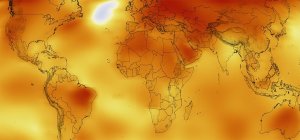
A new national survey reveals that American acceptance of global warming has reached an all-time high, with 73 percent of adults now convinced that the phenomenon is real. The figure, drawn from a poll conducted by researchers at Yale University and George Mason University, marks a 10-point jump from 2015 and a 3-point increase since March 2018.
The telephone survey, carried out between November 28 and December 11, 2018, polled 1,114 American adults. Beyond mere belief, the findings indicate a growing sense of personal stake: 69 percent of respondents said they are now 'worried' about global warming, an 8-point rise from the 61 percent recorded in the spring of 2018.
Attribution of cause has also shifted. Sixty-two percent of those polled said they believe human activities are the primary driver of climate change, a 4-point increase from March 2018. Meanwhile, the share of Americans who blame natural causes fell to a record low of 23 percent, down 5 points over the same period.
Why Concern Is Growing
Anthony Leiserowitz, a lead researcher on the project, told The New York Times that the shift reflects a broader recognition that climate impacts are no longer distant threats. 'People are beginning to understand that climate change is here in the United States, here in my state, in my community, affecting the people and places I care about, and now,' he said. 'This isn't happening in 50 years, 100 years from now.'
The survey's timing is notable: it was conducted just weeks after the release of the Fourth National Climate Assessment, a federal report that warned of severe economic and environmental consequences if greenhouse gas emissions continue unchecked. While the Yale-George Mason study does not directly link the two, the convergence of scientific warnings and personal experience may be influencing public perception.
Regional differences persist, but the overall trend is toward greater acceptance. The researchers noted that belief in global warming has increased across all political affiliations since 2015, though the gap between Democrats and Republicans remains wide.
The findings carry implications for policymakers and advocates. With a majority of Americans now attributing climate change to human activity, there may be broader public support for mitigation measures. However, the survey also found that only a minority of respondents discuss the issue regularly with friends or family, suggesting that concern has not yet translated into sustained public engagement.
As the debate over climate policy continues, this survey provides a snapshot of a public that is increasingly convinced of the problem's reality and urgency. Whether that conviction will translate into political action remains an open question.