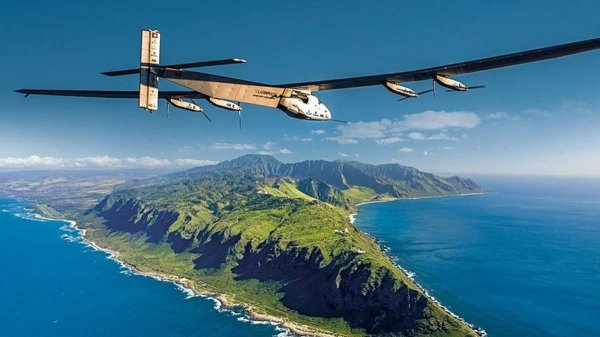
Solar Impulse 2 touched down in Abu Dhabi on Tuesday, marking the completion of the first fuel-free circumnavigation of the Earth. The aircraft, powered solely by sunlight, covered roughly 42,000 kilometers (26,000 miles) since departing from the same city in March 2015, with Swiss pilots Bertrand Piccard and André Borschberg alternating at the controls.
The journey, which spanned several months, was not a race against time. The plane's four 17.4-horsepower electric motors push it to a cruising speed of about 140 km/h (90 mph), though its average speed across the Pacific dipped to 61 km/h (38 mph). Its slow pace, however, was offset by a design that prioritizes efficiency over velocity.
The aircraft's wingspan stretches 72 meters (236 feet)—wider than a Boeing 747—yet its total weight is a mere 2.3 tonnes (5,000 pounds). Engineers fitted 17,000 rigid photovoltaic panels that charge four batteries, which account for roughly 35 percent of the plane's weight. This lightweight construction and solar array allowed the plane to fly day and night without a drop of fuel.
Setbacks and Solutions Along the Way
The expedition was not without its challenges. Bad weather and battery overheating forced unscheduled stops. To address the battery issue, the team secured an additional $20 million from sponsors, which funded a cooling system. Other incidents included a power outage that deflated the plane's hangar, causing minor damage, and a stomach ailment that delayed Piccard's final leg from Cairo to Abu Dhabi.
Scorching temperatures over the Saudi Arabian desert, where the air reached 48°C (119°F), also contributed to delays. Despite these hurdles, the crew used the extra time aloft for yoga, meditation, and 20-minute naps—a routine that kept them alert during the long, solitary flights.
The successful completion of the journey underscores the viability of solar-powered aviation, though the technology remains in its infancy. The project's backers hope it will inspire further investment in clean energy solutions for transportation.