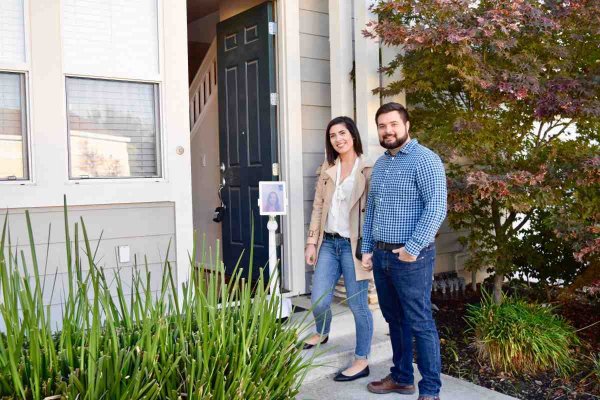
The traditional image of a real estate agent showing homes may be changing as companies integrate robots into the property market. From answering questions at open houses to creating virtual tours, these machines are taking on tasks once handled exclusively by humans.
According to a recent report in The Wall Street Journal, at least three firms are experimenting with this technology. REX, a brokerage in Woodland Hills, California, has deployed a robot named REX that sits in sellers' homes to interact with potential buyers and gather information. Zenplace, a property management company also in California, uses robots to allow its human agents to communicate with clients remotely. Meanwhile, VirtualAPT, a startup based in Brooklyn, has developed a bot capable of producing three-dimensional videos of properties, offering a convenient alternative for buyers who cannot visit in person.
These innovations could simplify the purchasing process and potentially reduce costs. REX, for instance, charges a 2 percent commission, significantly lower than the typical 5 to 6 percent that agents usually bill sellers. This price difference might attract homeowners looking to save money.
However, not everyone in the industry is convinced that robots will take over. Jack Ryan, founder and CEO of REX, told the WSJ that AI and robots are definitely disrupting the real estate sector. But Robert Reffkin, CEO of Compass, a New York-based brokerage, holds a different view. He stated, “I believe that agents are critical to transactions and always will be.” Reffkin does not foresee widespread job losses, a common concern when automation enters an industry.
Impact on Real Estate Jobs
The debate over whether robots will replace human agents is ongoing. While some tasks are becoming automated, the personal touch and negotiation skills of human agents remain valued. Reffkin's comments suggest that technology may augment rather than replace the role of agents.
For now, robots are assisting human agents rather than replacing them entirely. But as the technology advances, it is possible that more aspects of the real estate business could become automated. The question of whether robots can outperform humans in this field remains open.
As the industry evolves, buyers and sellers may see more robots in the process, but the full extent of their role is yet to be determined.