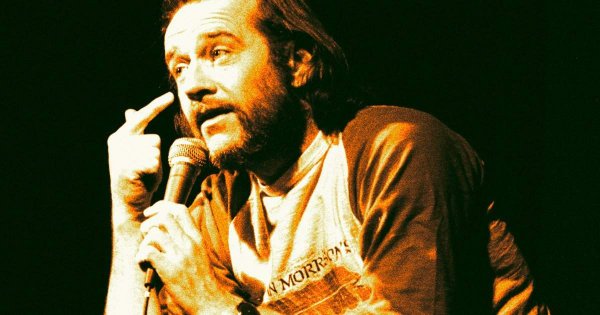
The daughter of the late comedian George Carlin has publicly objected to an hour-long YouTube special that uses artificial intelligence to imitate her father's voice and comedic style, saying neither she nor his estate gave permission for the project. Kelly Carlin, who manages her father's intellectual property alongside his former talent manager Jerry Hamza, told Futurism in an email that the family was not contacted by the creators before the video was posted.
The special, titled “George Carlin: I’m Glad I’m Dead,” was released by Dudesy, a comedy group co-founded by actor Will Sasso, known for “Mad TV,” and podcaster Chad Kultgen. The group maintains an active Discord community, a Patreon page, and sells branded alcoholic beverages, but according to Kelly Carlin, they did not seek approval from her or the estate. “I believe they should take his name off of the product because it was not created or generated by him,” she wrote. “The performer and author of this content is Dudesy, not George Carlin.”
At the start of the video, a voice that appears to be AI-generated states that it listened to all of Carlin's material and attempted to imitate his voice, cadence, and attitude, as well as the subjects he might have found interesting today. The disclaimer compares the impersonation to human impressionists like Andy Kaufman doing Elvis or Will Ferrell doing George W. Bush. However, Kelly Carlin argues that the comparison does not hold because the technology used to create the special is fundamentally different from a human tribute.
Legal Gray Area for AI and Fair Use
The dispute highlights an unresolved legal question: whether AI systems can use copyrighted works under the fair use doctrine. Courts have not yet ruled definitively on this issue, though a pending lawsuit between OpenAI and The New York Times could set a precedent. In the meantime, Kelly Carlin said she and the estate are actively investigating their legal options. “I, and the representative of my father's estate are now actively looking into protecting my father's source material from being used by AI machines to create content in the future,” she wrote.
Her concerns echo those of other celebrities' families who have objected to AI-generated content using deceased performers' likenesses. Robin Williams' daughter has also spoken out against AI voice cloning. Kelly Carlin called the trend “a new era of the lack of respect and autonomy of artists by corporations and other entities that want to use source material without permission.” She described the AI-generated special as “a very sad day for the art form, and all human expression.”
Attempts by Futurism to reach Dudesy for comment were unsuccessful, as no contact information was found for the joint venture or its individual members. The group has not publicly responded to Kelly Carlin's objections.
The situation raises broader concerns about consent and intellectual property in the age of generative AI. While human impersonations of public figures have long been considered fair use, the use of AI to replicate a specific person's voice and style introduces new legal and ethical questions. Kelly Carlin's pushback signals that estates of deceased artists may increasingly challenge such projects, potentially shaping how AI companies and content creators approach the use of a person's likeness and creative output.