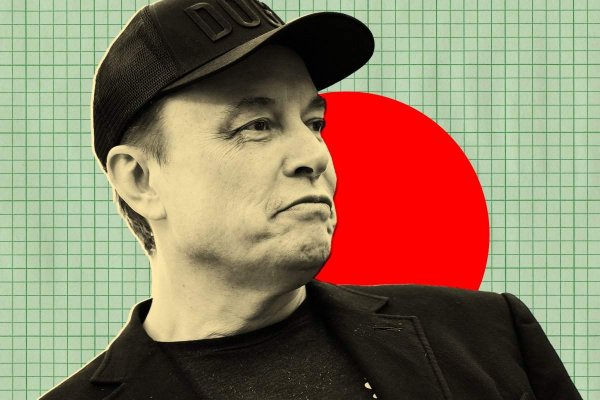
A federal judge in California has barred OpenAI from raising Elon Musk's alleged ketamine use during the upcoming trial over his lawsuit against the company, a decision that spares the tech mogul from potentially embarrassing testimony. U.S. District Judge Yvonne Gonzalez Rogers ruled during a Friday hearing that the topic is off limits unless OpenAI can demonstrate that the drug's effects are relevant to the case, according to Bloomberg.
The trial, set to begin next month, centers on Musk's claim that OpenAI abandoned its original nonprofit mission of benefiting humanity. Musk co-founded OpenAI with Sam Altman in 2015 but left in 2018, reportedly due to disagreements with Altman's leadership. He filed suit in 2024, seeking to block the company's restructuring into a for-profit public benefit corporation, which was completed last year. OpenAI is now reportedly preparing for an initial public offering that could value the company at $1 trillion.
Judge Gonzalez Rogers said OpenAI's lawyers cannot ask Musk about his alleged ketamine use during negotiations with the company, calling it irrelevant without further evidence of the drug's mind-altering effects. However, she allowed limited questioning about Musk's attendance at Burning Man, the annual festival in Nevada's Black Rock Desert known for its drug-friendly culture. OpenAI attorneys argued that “a lot of significant communications” between Musk and the company occurred while he was at the event.
Drug Allegations and Political Fallout
Musk's alleged drug use has been a subject of intense media scrutiny. In 2024, The Wall Street Journal reported that he used LSD, cocaine, ecstasy, and mushrooms, often at parties, and that his ketamine use was ongoing. A May 2025 report from The New York Times claimed Musk took a daily pillbox containing about 20 capsules, including Adderall, and used ketamine almost every day, sometimes combining it with other substances. The report also said Musk confided that the habit was causing bladder issues.
The allegations took on political significance as Musk became a key figure in Donald Trump's re-election campaign and led the Department of Government Efficiency (DOGE), an effort to reduce federal spending. When pressed by reporters, Trump said he “really don't know” whether Musk used drugs in the White House, adding, “I hope not.”
Some experts have speculated that ketamine use could explain Musk's increasingly erratic public behavior, such as waving a chainsaw on stage at the Conservative Political Action Conference last summer or appearing to lose control of his facial muscles before making gestures that some interpreted as Nazi salutes.
Scope of the Trial
Despite the drug-related allegations, the judge's ruling narrows the trial's focus to the core business dispute. Musk is seeking up to $134 billion in damages from OpenAI and Microsoft, which invested heavily in the company after his departure. The trial is expected to examine whether OpenAI's shift to a for-profit model breached its founding principles.
The ruling does not address the broader allegations of drug use, which remain outside the courtroom. Judge Gonzalez Rogers' decision suggests that the court is determined to keep the proceedings centered on contractual and corporate governance issues rather than personal conduct.