In a case that underscores the widening gap between local governance and the ambitions of the tech industry, Saline Township, Michigan, has agreed to host a massive AI data center after a legal challenge left officials with little room to maneuver. The 21-million-square-foot facility, backed by a $16 billion investment from Related Digital, will rise on 575 acres of farmland that the township had initially voted to rezone for agricultural use.
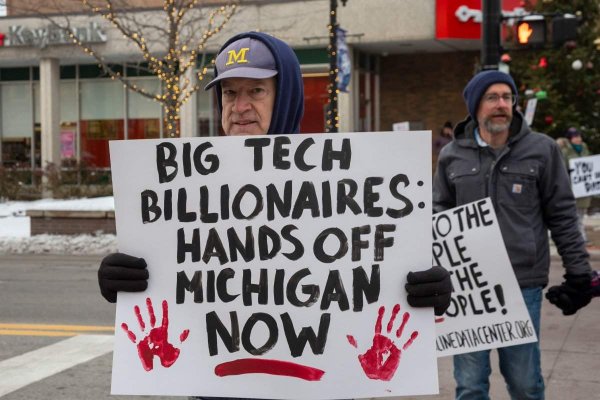
The dispute began in September when the township's planning commission rejected the rezoning request, a decision that aligned with the wishes of most of the township's 2,883 residents. Two days later, Related Digital filed a lawsuit, accusing the township of practicing "exclusionary zoning." The legal pressure proved overwhelming: a prolonged court battle could have drained the township's budget, and even a victory might have been hollow, as Related Digital could have partnered with the University of Michigan to bypass local zoning laws entirely.
Facing these odds, the township board settled in late October, signing an agreement that permits the project to move forward. The data center will be primarily leased by OpenAI and Oracle, as part of the Stargate initiative, a $500 billion AI infrastructure program announced by the Trump administration. The developer, Related Digital, is a subsidiary of a real estate conglomerate controlled by billionaire Steven Roth.
Township attorney Fred Lucas described the predicament in blunt terms: "I'm not sure there were any good solutions. If you polled everyone on the township board, they would have said the same thing: they didn't want a data center there. We didn't invite them, we didn't encourage them."
Residents who live near the proposed site expressed a sense of powerlessness. Kathryn Haushalter, a local mother, told Fortune, "It feels like I'm playing by a different rule book. Like I'm playing baseball and they're playing football."
A Pattern of Imposed Infrastructure
Saline Township is not alone in this struggle. Across the country, municipalities are finding that the surge in data center construction often pits local officials against their constituents, with developers wielding legal and financial leverage to override community objections. The outcome in Saline Township illustrates a broader trend: when capital and democracy collide, capital often prevails.
The environmental and social costs of these projects—ranging from increased water and energy use to changes in the rural landscape—are borne by the communities that host them, even when those communities have no say in the decision. The Saline Township case is a stark example of how the AI boom is being driven from above, by tech billionaires and their political allies, rather than by the people who will live with the consequences.
While the settlement brings an end to the legal fight, it leaves lingering questions about the future of local governance in the face of large-scale infrastructure projects. For now, the township's residents must prepare for a transformation of their rural surroundings, a change they neither requested nor approved.