
Sri Lanka's Coastline Choked by Toxic Plastic Pellets After Ship Fire
A fire aboard the MV X-Press Pearl off Sri Lanka's coast has blanketed beaches in toxic plastic pellets, sparking fears of long-term ecological damage. The spill, which includes 78 metric tons of pellets, threatens marine ecosystems and local livelihoods.

Gravitational Wave Detectors Set to Transform Astronomy and Cosmology
Following the first direct detections of gravitational waves in 2015, scientists anticipate a new era of discovery. With LIGO and Virgo reaching full sensitivity, researchers expect to observe dozens to hundreds of black hole mergers annually, potentially unlocking mysteries about neutron stars, supernovae, and the universe's expansion.
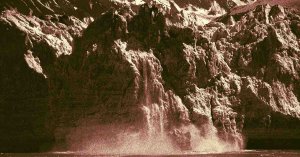
Record Share of Americans Now Accept Climate Change Reality
A new survey from Yale and George Mason universities finds that 73% of Americans now believe global warming is happening, the highest level ever recorded. Concern about climate impacts has also risen, with 69% expressing worry, up from 61% in March 2018.
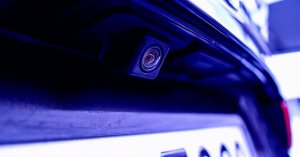
How Rideshare Dashcams Nearly Became a Surveillance Web
A Georgia resident's public records request uncovered a Flock Safety presentation pitching a partnership with Nexar to turn rideshare dashcams into mobile license plate scanners. The plan, which never materialized, would have added 350,000 vehicles to Flock's network, raising privacy and consent questions.

Apple's AI Summaries Draw Fire for False Alerts on News Apps
Apple's AI-powered notification summaries have repeatedly generated false news alerts, drawing criticism from journalists and prompting a BBC complaint. Despite promises of a software update, the feature remains error-prone, raising concerns about misinformation and user trust.
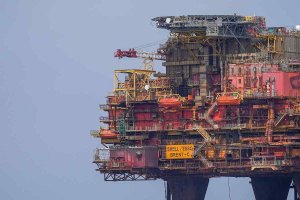
Microsoft's AI Deals with Oil Giants Contradict Its Climate Pledge
An investigation by The Atlantic reveals that Microsoft has been selling AI tools to oil companies like ExxonMobil and Chevron, promising increased revenue, while publicly championing its carbon-negative goals. Internal documents and whistleblower accounts suggest the company has hidden these partnerships from the public, raising questions about its environmental commitments.